AUDIOWALK


LIVE NOW
Test link
PIN VIDEO

26-06/06/2026, GATHERING
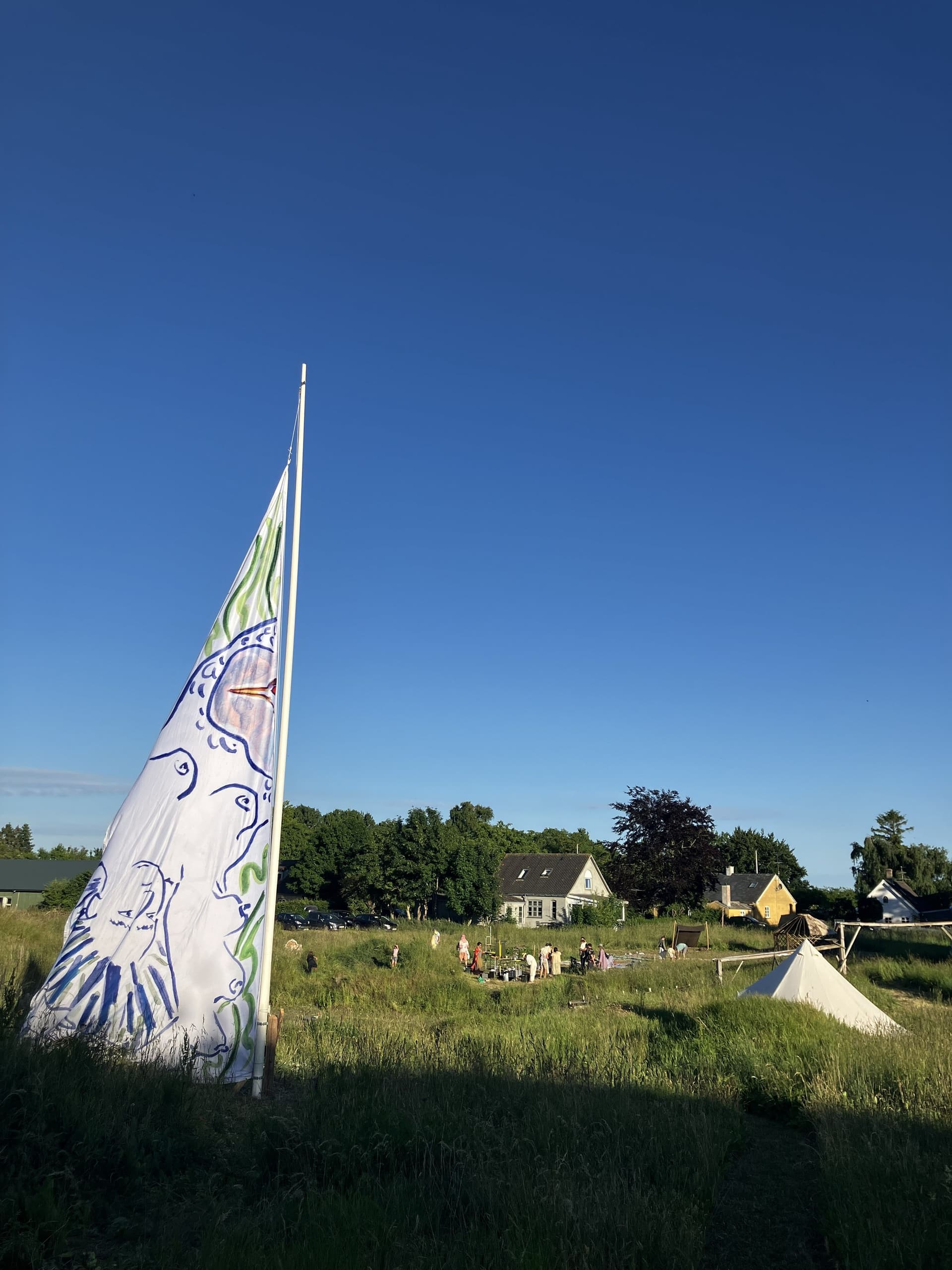


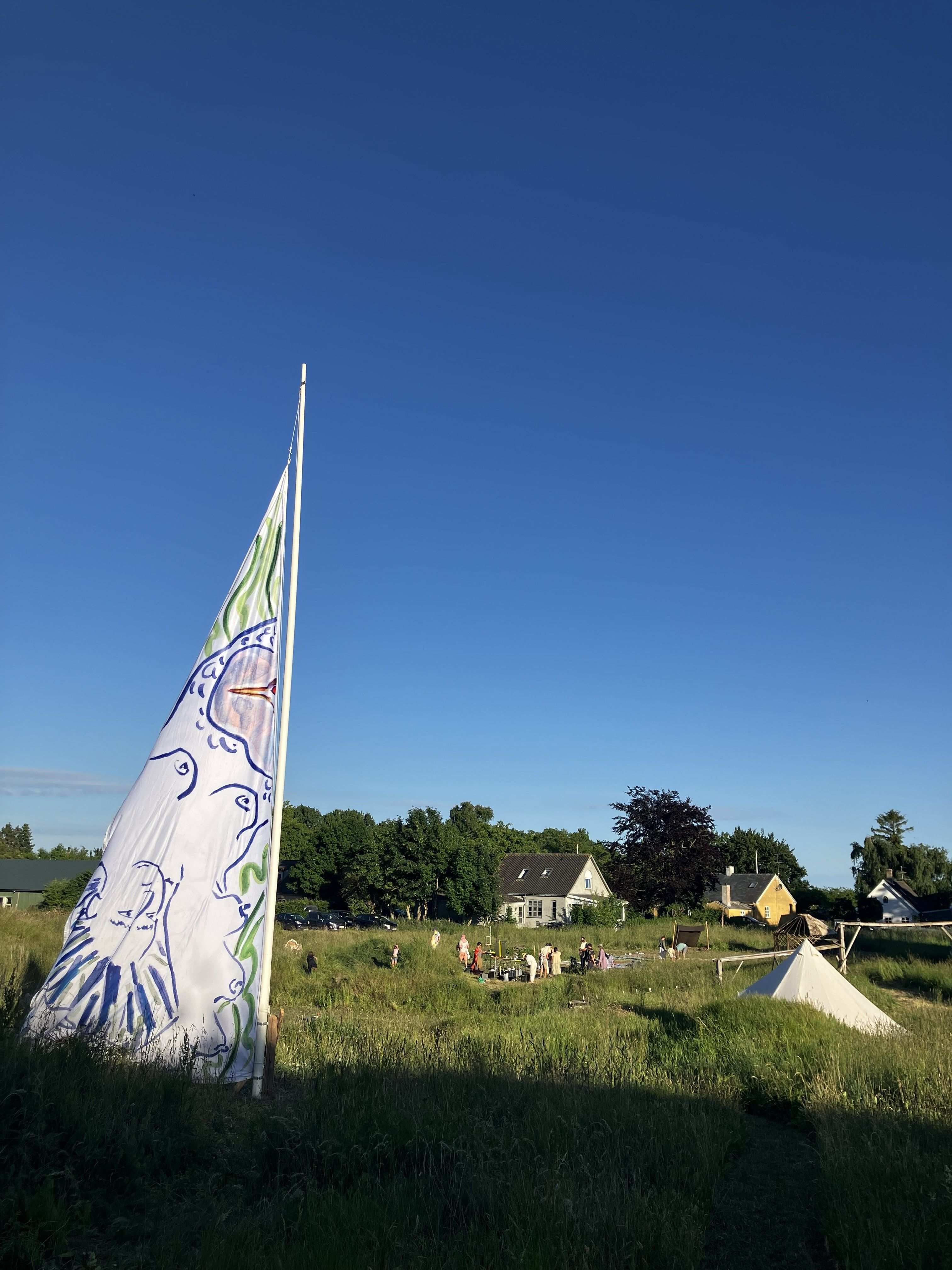
The exhibition Fire, We Gather Around is now open at Fanefjord Fælled and can be visited until 6 September 2026.
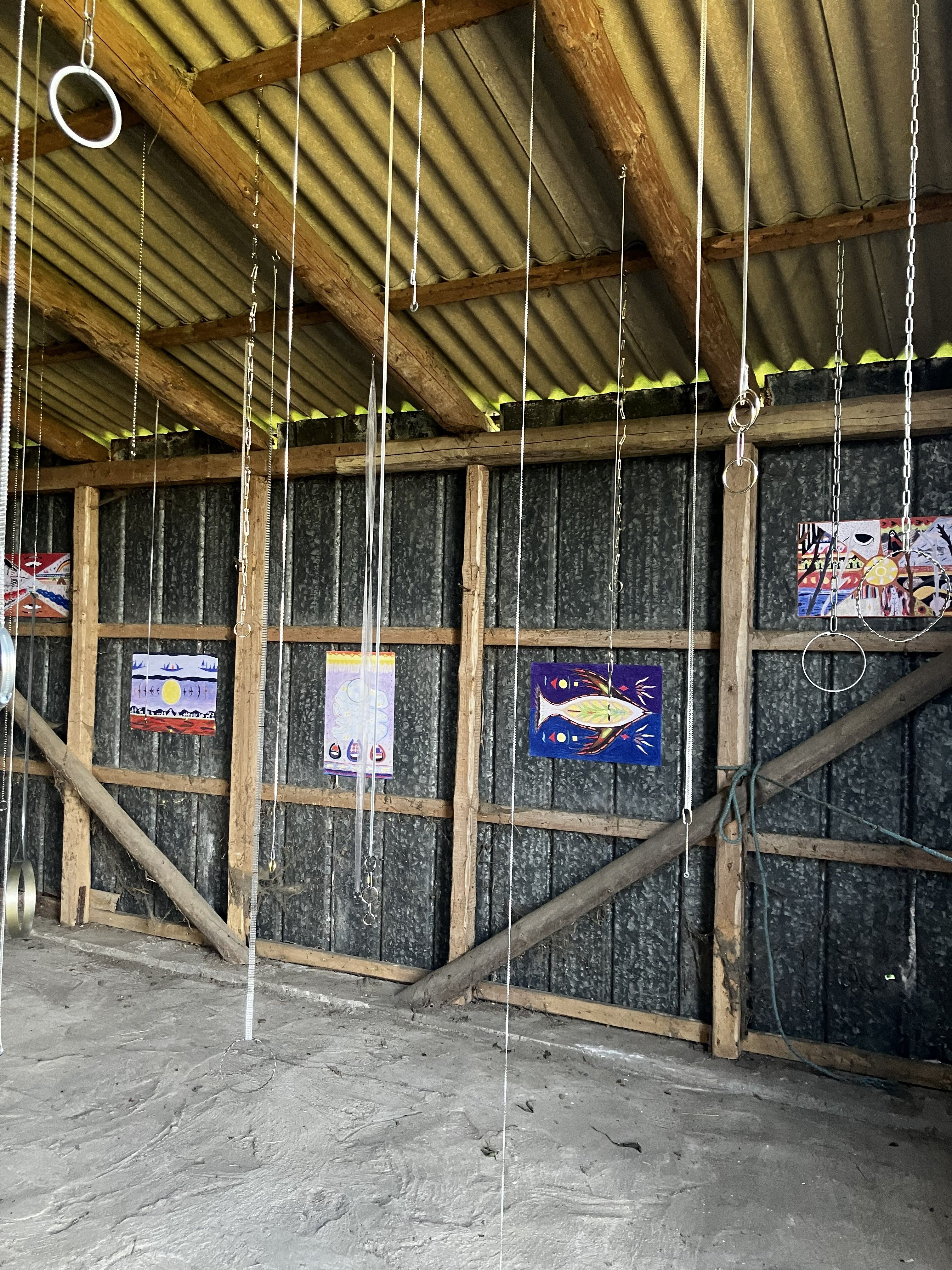
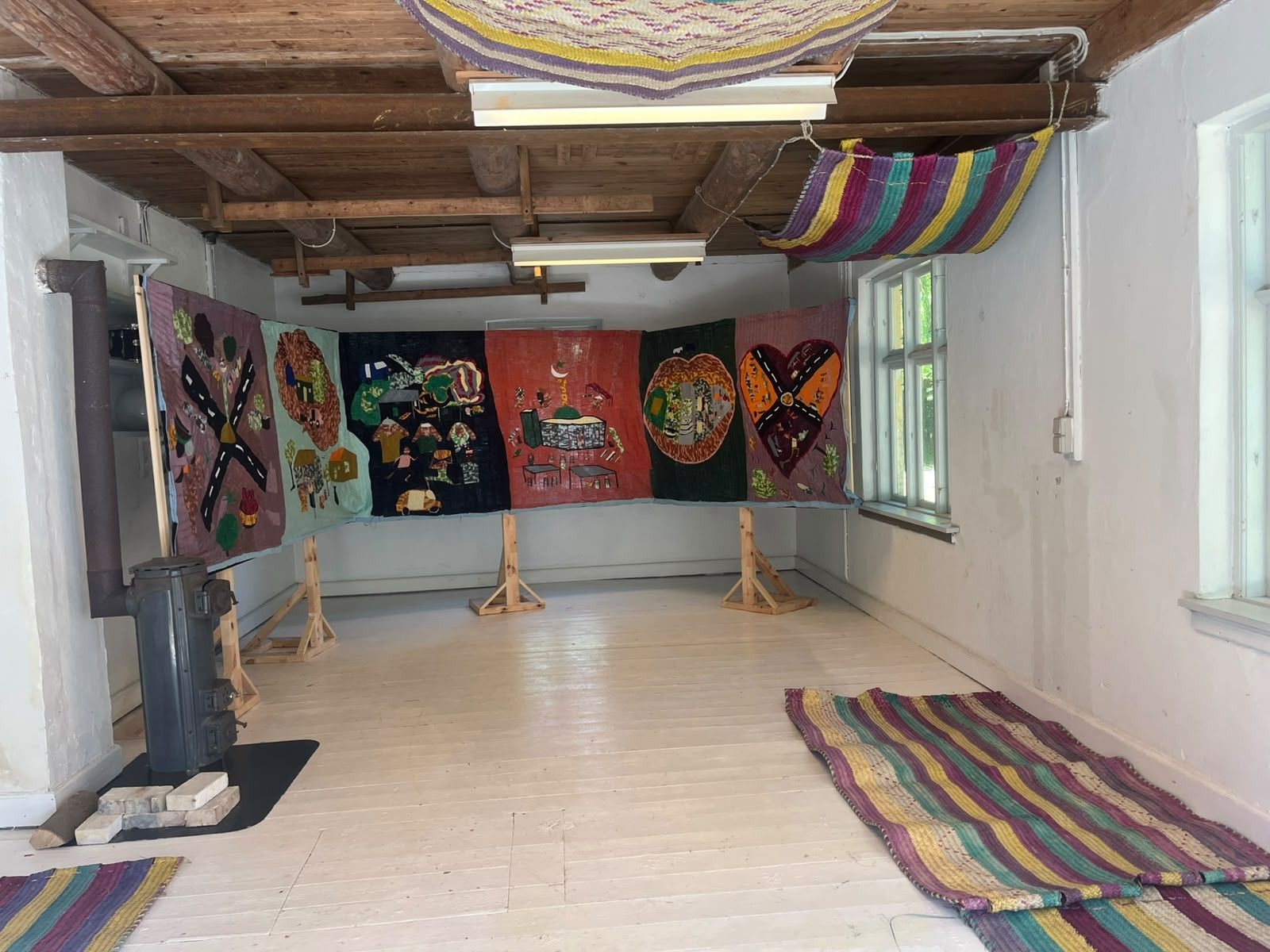
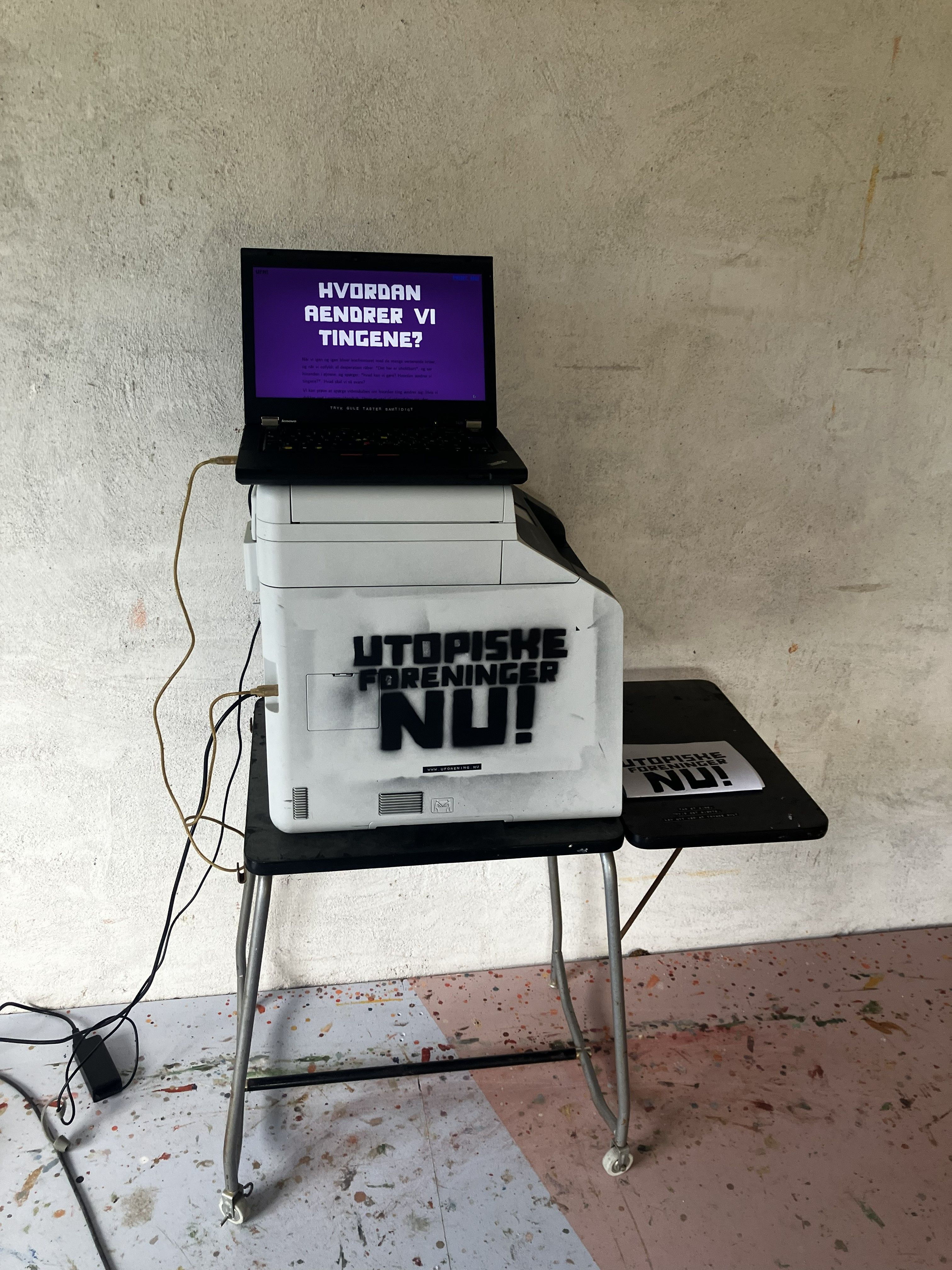
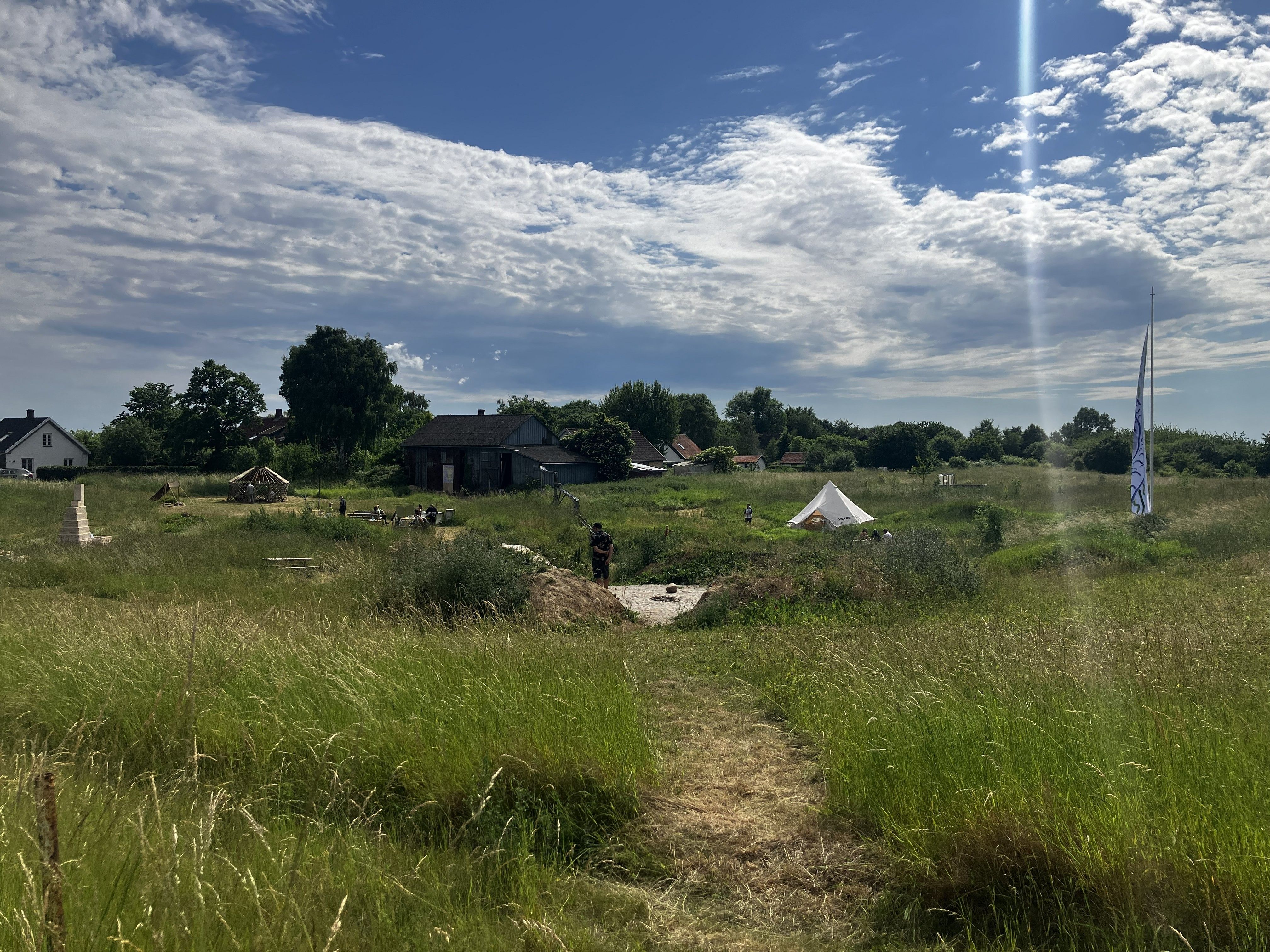
Fire, We Gather Around presents installations, sculptures, and text-based works situated in and around the landscape of Fanefjord Fælled, in a barn, in an office housed in a former pigsty, and in a room within a former sawmill. The exhibition revolves around self-organised artistic practices, land care, and environmental justice. It grows out of a four-year investigation into how art can play an active role in renegotiating our world amid the complex ecological, social, and political conditions of our time.
The exhibition's title evokes a simple yet urgent image: gathering around a fire. Rather than creating a spectacle, we have sought to make an exhibition that invites people to come together—to keep one another warm, break bread, keep watch, tell stories, or simply sit in silence. The works are offered in this spirit, inviting a way of being with art that resembles a vigil more than a conventional exhibition: a shared presence rather than a stage for cultural consumption.
The works do not illustrate concepts such as the commons, decolonial practices, or collective knowledge production. They are living outcomes of engaging with these questions through lived experience and collaborative practice across places, relationships, and conditions.
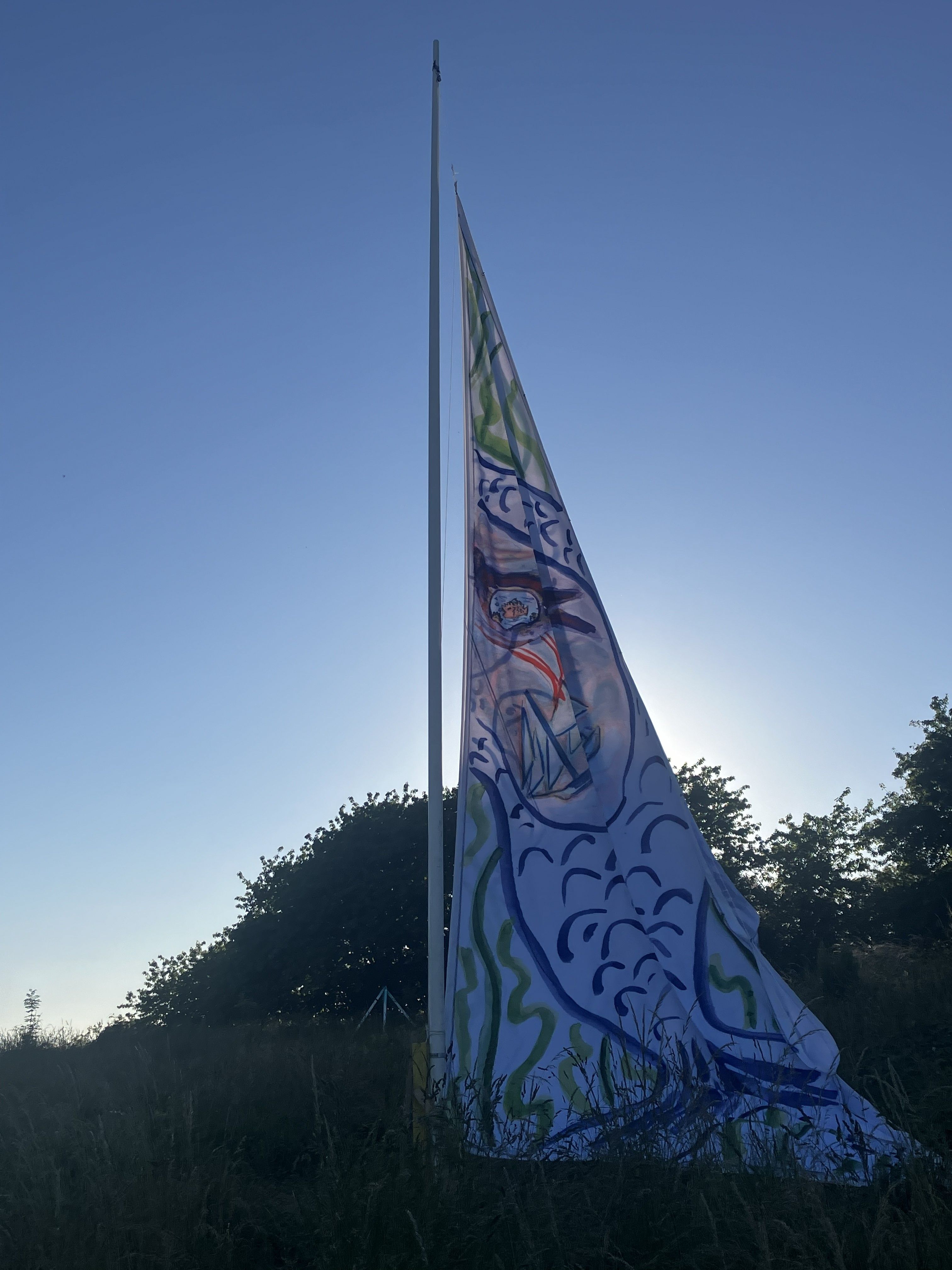
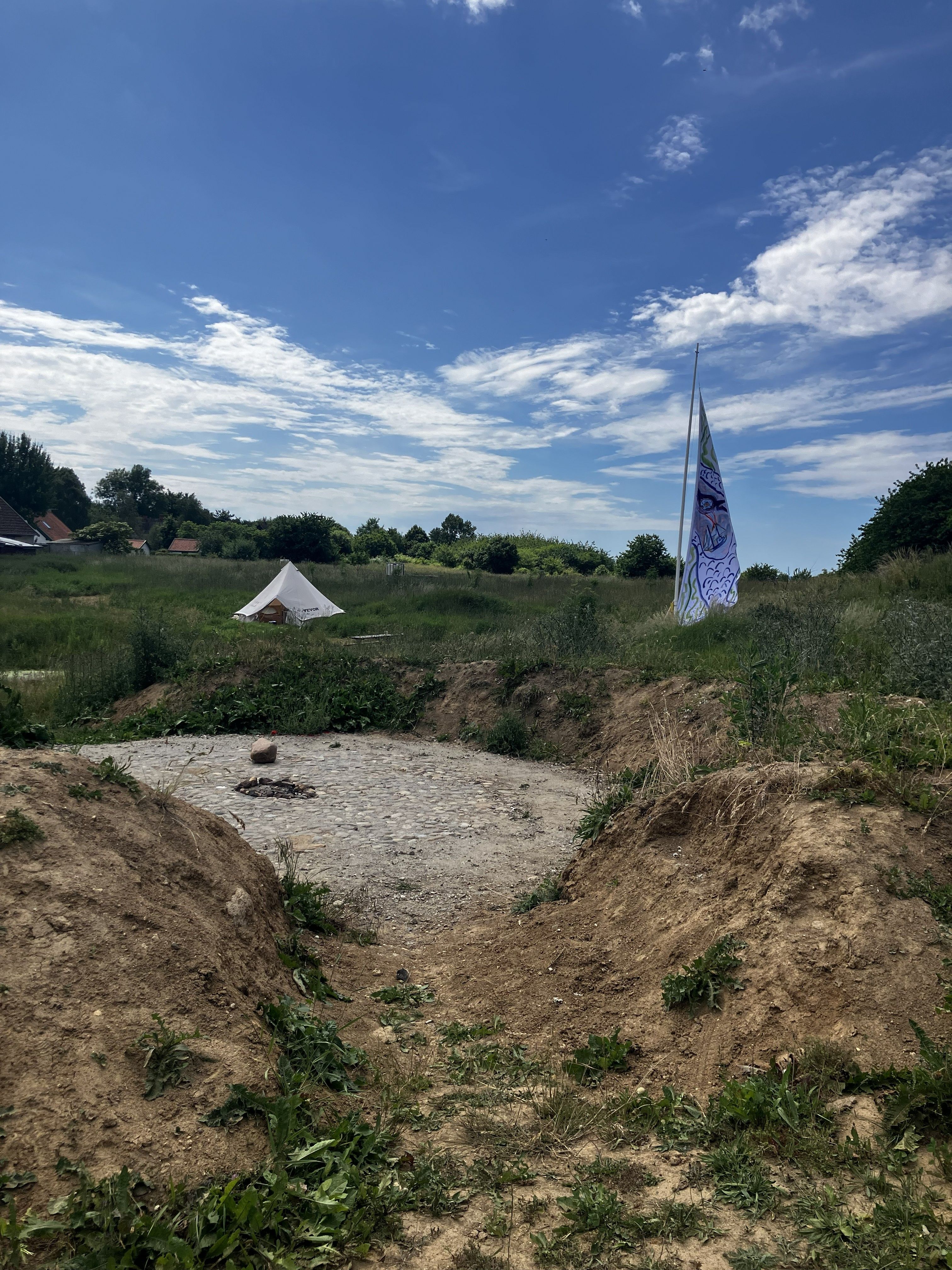
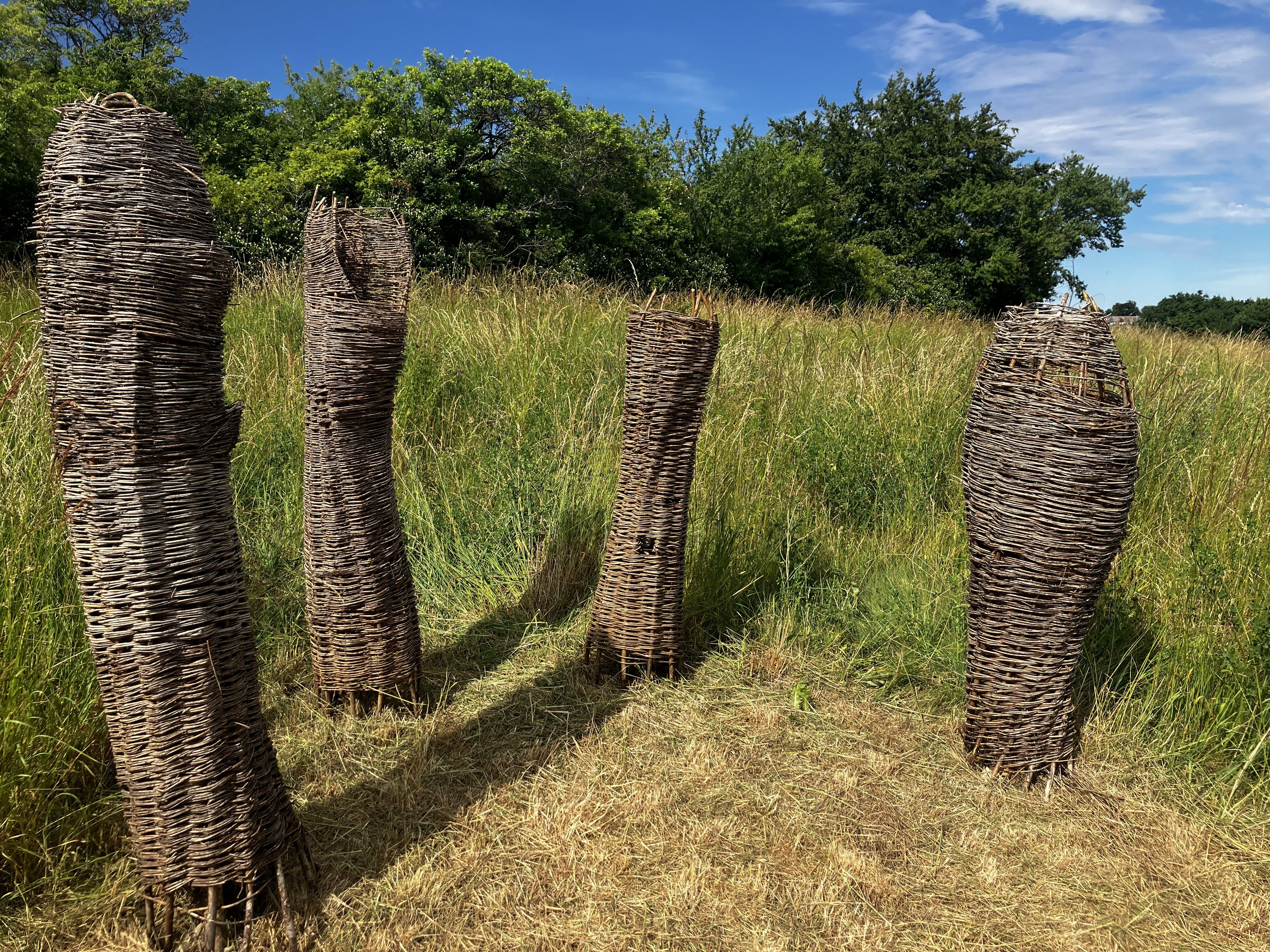
The outdoor works situated in landscape are primarily infrastructural and permanent. They function as tools and support structures of gathering that enable access, use, and sharing.
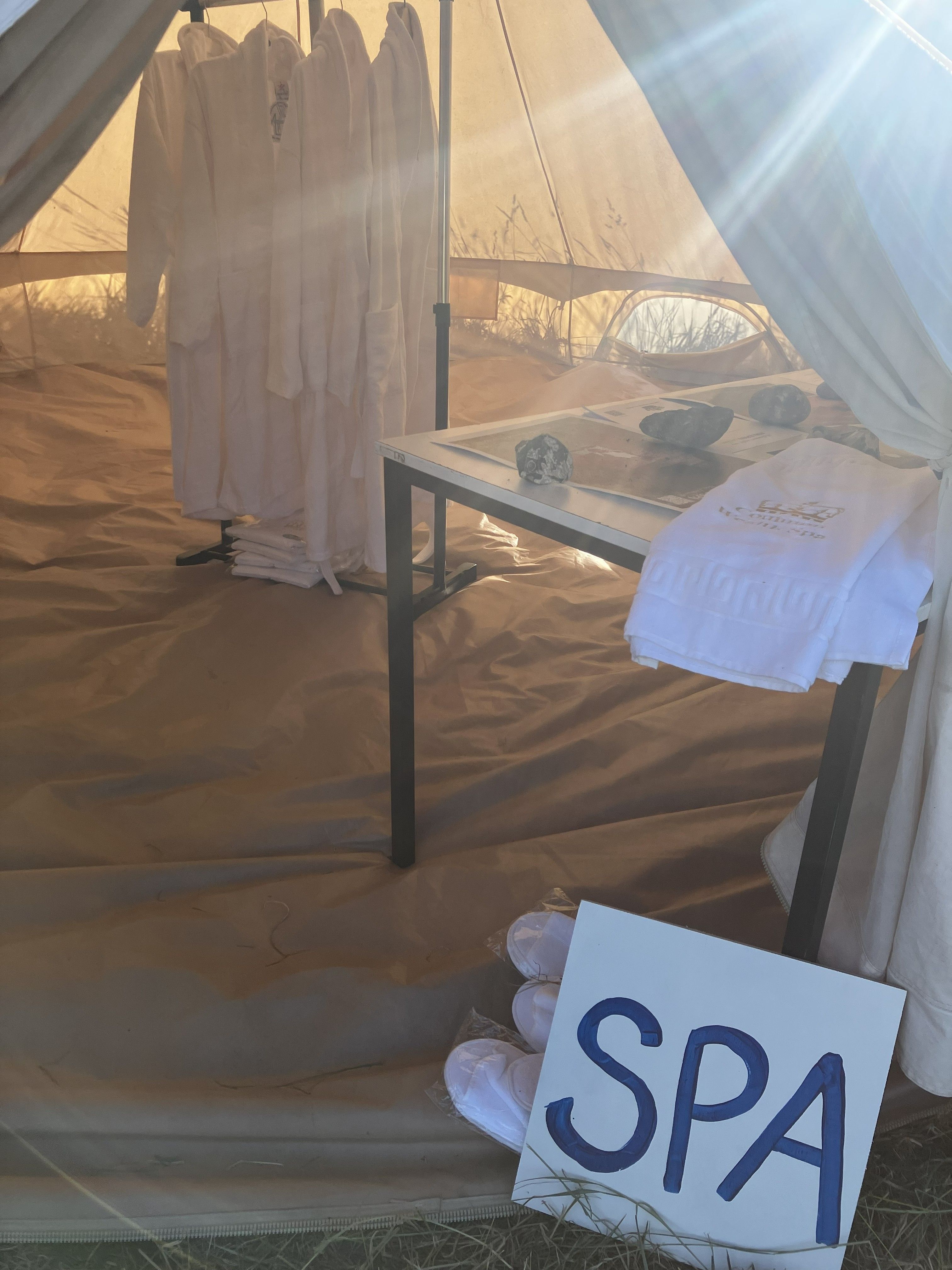
The temporary works, presented both outdoors and indoors, are traces of encounters and collaborations across different geographies. They carry forms of knowledge produced across places, positions, stories, and struggles.
Shape Library of the Illiterate with artist Dharmendra Prasad
We would like to highlight one work in particular because it is an open, process-based project. Throughout the summer, Indian artist Dharmendra Prasad, who is in residence as part of the exhibition, invites visitors and local residents to collaborate with him on Library of the Illiterate.
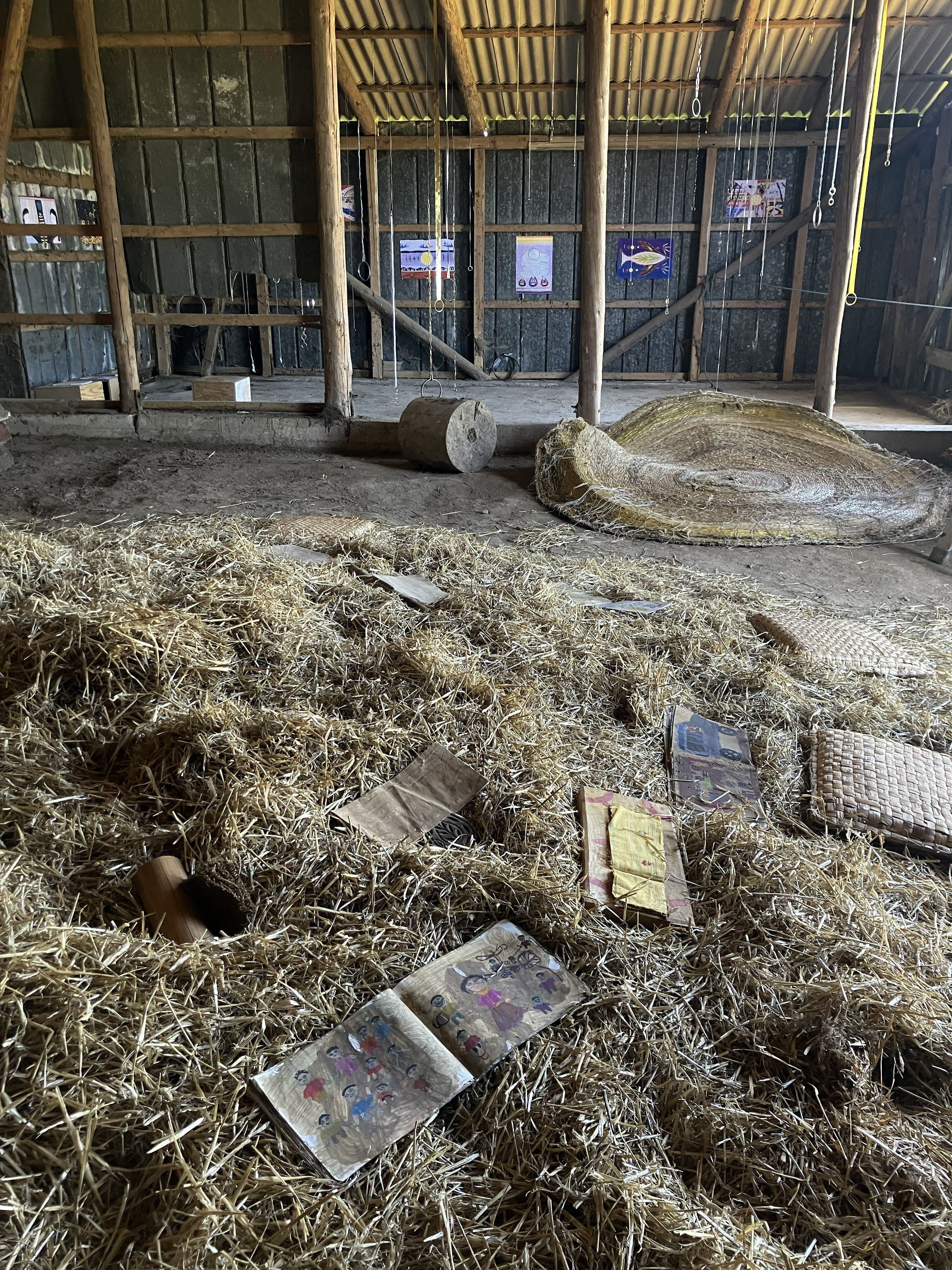
The installation takes the form of a library of books without text. The work emerges from a critique of dominant models of education and learning that separate knowledge from everyday life. From the perspective of the "uneducated," the library asks: what might knowledge look like if it were not organised through written language, institutional authority, or the accumulation of power?
The books are made from agricultural remnants, fabric, mud, discarded grain, household objects, tools, and other everyday materials. They invite reading through touch, memory, labour, imagination, material histories, and relationships with the land.
The library grows through a collective gathering of discarded tools, materials, stories, and memories connected to rural life, craft traditions, ancestral knowledge, and agricultural practices from farms across Møn. These contributions become the building blocks of an installation that functions simultaneously as a library, a meeting place, and a shared experiment in knowledge-making.
If you are interested in meeting Dharmendra and collaborating with him on Library of the Illiterate, please contact Ida at ida.bencke@gmail.com
Hosting Lands ~ Commoning as artistic and curatorial practice
The exhibition is the latest chapter of Hosting Lands – a four-year curatorial project that, since 2023, has moved between sites, landscapes, and communities across Denmark with the ambition of creating connections to other realities, other localities, and other positions in the world. Together with artists, activists, and land-based communities, the project has explored how care for the land, ecology, and collective organisation can be practised in a time marked by climate crisis and social inequality.
Hosting Lands emerged from an inquiry into what an exhibition can be and what it can do. Not merely a space of representation, but an infrastructure for care, the redistribution of resources, and collective organisation. It is an attempt to mobilise the exhibition format – and the resources that accompany it – as a means of creating space for new forms of action, new alliances, and new worlds.
One of the project's initiatives is the establishment of Fanefjord Fælled, the site where Fire, We Gather Around takes place. The land has been acquired through exhibition funding and transferred into collective ownership. Over the past two years, artists, curators, and local residents have participated in what we have called the Fanefjord Fælled Committee – a shared forum in which questions of land, ownership, community, and hospitality have been negotiated and renegotiated.
Fanefjord Fælled is both a physical place and an ongoing experiment. It explores the social, ecological, and aesthetic possibilities that emerge when land is understood as a shared concern rather than private property.
Here, the land is now regenerating. A forest garden is being developed according to permaculture principles, and permanent artworks have been established as spaces for gathering.
The temporary exhibition is not the conclusion of Hosting Lands, but a threshold – a moment of transition. It is an opportunity to gather and acknowledge all that has been created, learned, destroyed, and lost before the project disperses its seeds and continues to live on in new and different ways.
The exhibition features works by
DAAR, Marianne Noer, Dharmendra Prasad / The Harvest School, Jenni Laiti, Tulluk, Sata Taas, PDAS, Cassie Thornton, Yesmine Ben Khelil, Luis Berríos-Negrón, Jorge González Santos, Maria Nørholm Ramouk, Annette Holdensen, Samara Sallam, Kibandu Pello-Esso, Crying by the Sea, David Birk Lauridsen, Rahima Gambo & Tatsyniya Artist Collective, Harun Morrison
Practical Information
Fire, We Gather Around / Fanefjord Fælled
Hårbøllevej 52A
4792 Askeby, Denmark
• Free admission
• Open until 6 September 2026
• The exhibition is accessible at all times
• One exhibition space is kept locked and can be opened by appointment. Please contact ida.bencke@gmail.com to arrange a visit.
• The exhibition is unstaffed
• Exhibition guides in Danish and English, including a map of the site and introductions to the exhibition and artworks, are available in the barn at Fanefjord Fælled
• The landscape is gently hilly
• Compost toilets are available on site (accessible only via stairs)
• No running water or electricity is available
THANK YOU FOR THE SUPPORT
Hosting Lands has been supported by Bikubenfonden's Exhibition Award: Vision (2022).The New Carlsberg Foundation has supported the permanent works Kattefødder by Samara Sallam, Tormentera (Refuge) by Luis Berríos Negrón, Library of Illiterates by Dharmendra Prasad, and Sounds of Fanefjord Fælled by Nanna Elvin Hansen & Barly Tshibanda. The Nordic Culture Fund has supported the collaboration with Sata Taas and the programme Pedagogies of the Rural Vordingborg Municipality has supported the opening of The Fire We Gather Around and the summer public programme. The Danish Outdoor Council (Friluftsrådet) has supported the permanent work Mobile Outdoor Kitchen by PDAS. The Danish Arts Foundation has supported the permanent work halemto bikom, antom dayman hadiroun (I dream of you, you are always present) by Maria Nørholm Ramouk, From You We Need Embrace, Not Resistance by Maria & Karen, Kattefødder by Samara Sallam, and ḥaṣīra by DAAR.